Drink Your Water!
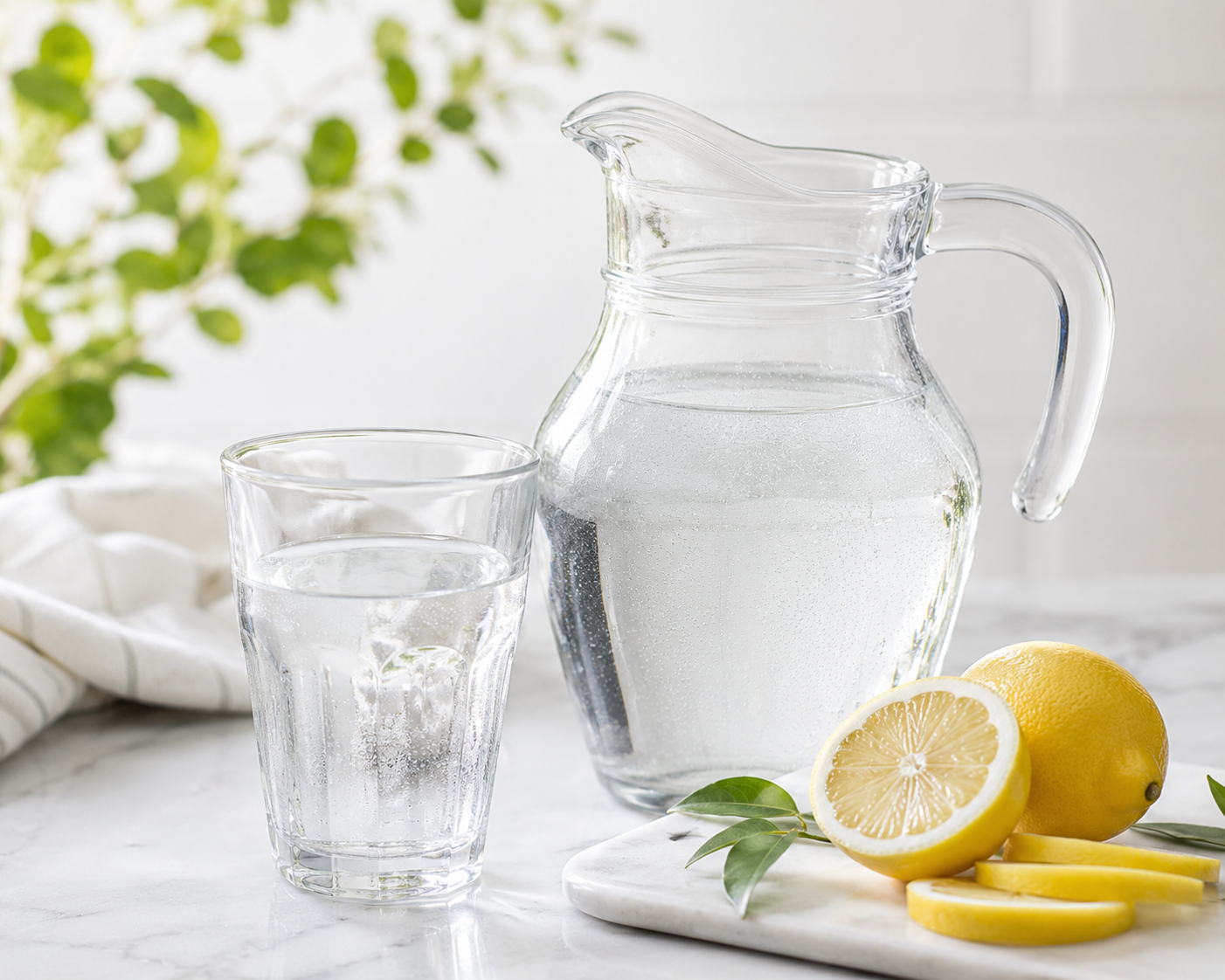
Water. Vital for survival. But how much is enough? How much is too much? The answer is, it depends. There are many different factors that need to be considered regarding how much water becomes beneficial vs. harmful. A good rule of thumb is to drink a minimum of 64 ounces a day. Depending on activity level, how much you sweat, and how hot it is outside are all contributing factors. If you are losing weight, 80-100 ounces is ideal for eliminating toxins, feeling more full, reducing hunger and water retention, as well as adequate hydration.
Water is essential for virtually every function in the body. For women in midlife and menopause, staying adequately hydrated can be especially important for energy, digestion, temperature regulation, and overall well-being.
Benefits of Drinking Enough Water
Physical Health
Helps regulate body temperature
Transports nutrients and oxygen to cells
Supports healthy kidney function
Aids digestion and helps prevent constipation
Lubricates joints
Maintains healthy skin hydration
Supports cardiovascular function and blood pressure
Energy and Mental Function
Helps reduce fatigue caused by dehydration
Supports concentration and memory
May reduce headaches related to dehydration
Helps maintain mood and mental clarity
Weight Management
Can help manage appetite
Replacing sugary beverages with water reduces calorie intake
Supports exercise performance and recovery
Menopause-Specific Benefits
May help manage feelings of overheating and hot flashes
Supports skin and vaginal tissue hydration
Can help reduce constipation, which becomes more common during menopause
How Much Water Is Too Little?
Mild dehydration can occur before you feel very thirsty.
Common signs of not drinking enough include:
Dark yellow urine
Dry mouth
Fatigue
Headache
Dizziness
Constipation
Muscle cramps
Reduced exercise performance
For most adults, consistently drinking less than about 4–6 cups (32–48 oz) per day is often inadequate, though needs vary based on body size, activity level, climate, and diet.
How Much Water Is Too Much?
Drinking excessive amounts can dilute sodium levels in the blood, a condition called hyponatremia. While uncommon, it can be serious.
Warning signs include:
Nausea
Headache
Confusion
Swelling of hands and feet
Severe fatigue
In extreme cases, seizures
A healthy kidney can generally process about 0.8–1.0 liters per hour (approximately 27–34 oz per hour). Problems usually arise when large amounts are consumed rapidly.
General Daily Recommendations
A reasonable target for most women is:
2.2–3.0 liters per day
About 75–100 ounces daily (9–12 cups)
This includes water from beverages and water-rich foods such as fruits and vegetables.
You May Need More If You:
Exercise regularly
Sweat heavily
Spend time in hot weather
Eat a high-protein diet
Have diarrhea or vomiting
You May Need Less If You:
Have certain kidney, heart, or liver conditions
Have been instructed by your healthcare provider to limit fluids
A Practical Way to Tell
For most healthy adults:
Urine that is pale yellow or straw-colored generally indicates good hydration.
Dark yellow urine often suggests you need more fluids.
Completely clear urine all day may indicate you're drinking more than necessary.
Tips for Getting in More Water
Many people don’t like the taste of water, find it boring or just don’t remember to drink enough. Here are a few tips you can use to get more water in each day:
Fill a 64 ounce measuring cup with purified water and set it where you will see it throughout the day. This will help you to remember to drink and you can see how much you’ve had. Empty it at least once, then fill it again to aim for 80 ounces per day.
Add fresh organic lemon or cucumber slices
Drink pure sparkling water (with no sugar or artificial sweeteners added) - My favorites are San Pellegrino Ciao Blood Orange and Spindrift has an amazing selection.
Never leave the house without it. Be sure to fill a thermos to keep it cold and take it with you. I always have one in my car so I can drink on the go
When dining out, always ask for water
Drink herbal tea
Add a splash of fresh fruit juice to your water!
Note: This article is meant to offer general guidelines on the subject matter. Always consult with your doctor or health care provider if you are unsure about what is right for you or if need a deeper level of support.
