Macronutrients: What They Are and Why We Need Them
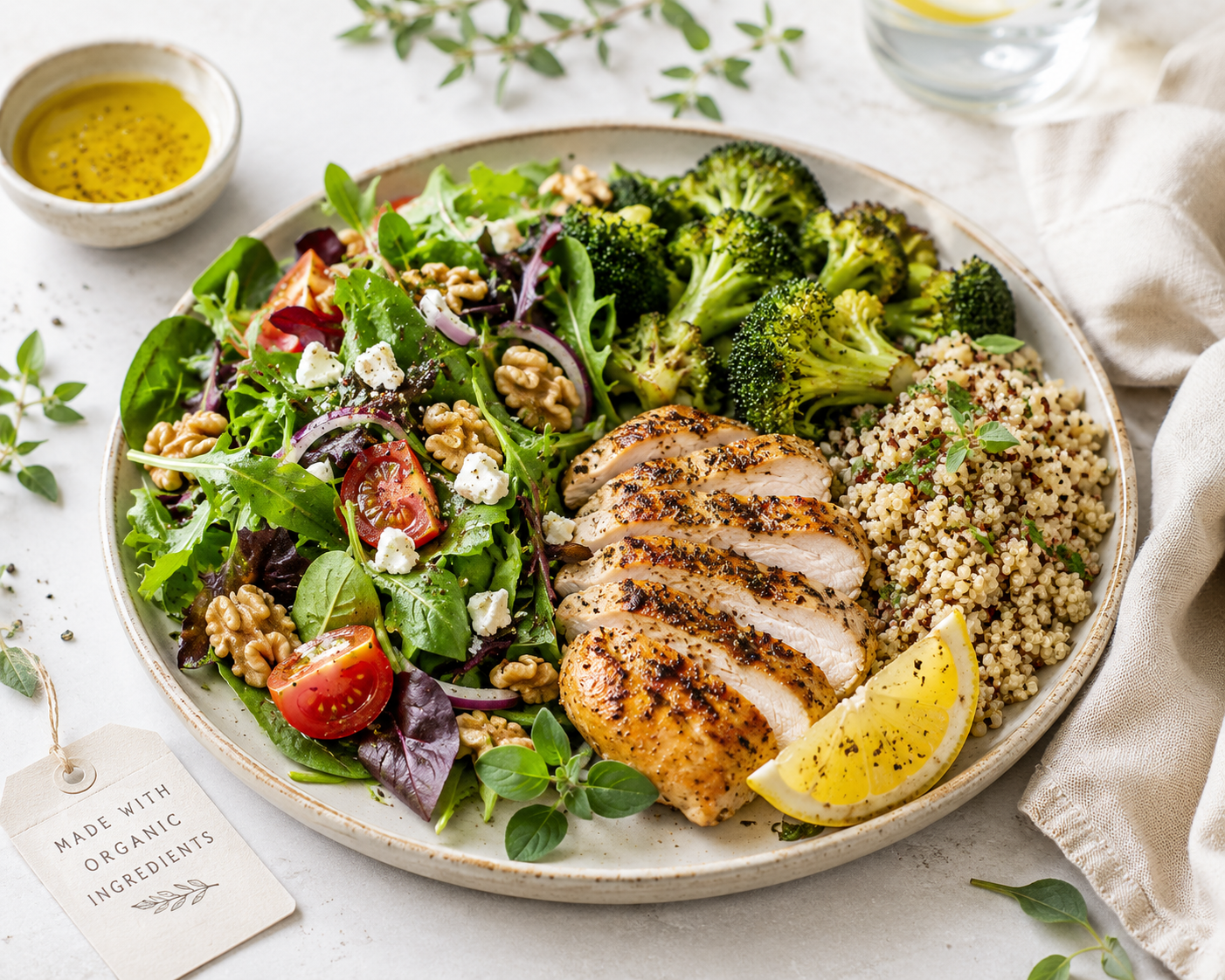
The term “macronutrients” or “macros” has been tossed around quite a bit in recent years. Especially if you are even remotely tuned into the health and fitness world. This article captures the essence of what you need to know to create the “perfect plate” which is a balance of these plus essential micronutrients. We will deep dive into each in separate posts, but for now, here is what you need to know to get started.
Macronutrients: Why We Need Them and Why They Matter During Menopause
Macronutrients are the nutrients your body needs in large amounts to provide energy, maintain tissues, produce hormones, and support overall health.
The three macronutrients are:
Protein
Carbohydrates
Fat
Each has a unique role, and all three are important—especially during perimenopause and postmenopause.
Protein:
What Protein Does
Protein is made up of amino acids, which are the building blocks for:
Muscle
Bone
Skin
Hair
Nails
Enzymes
Hormones
Immune cells
During menopause, protein becomes especially important because declining estrogen accelerates muscle loss.
Benefits of Adequate Protein
Preserves and builds muscle
Supports metabolism
Improves recovery from exercise
Supports bone health
Helps control appetite
Stabilizes blood sugar
Supports immune function
Good Sources Include:
The healthiest protein sources are generally those that provide a lot of protein along with vitamins, minerals, and healthy fats while being low in added sugars and highly processed ingredients.
Animal-Based Proteins
Fish (especially salmon, sardines, trout) — high in protein and heart-healthy omega-3 fats.
Chicken breast and turkey — lean, high-quality protein.
Eggs — complete protein with many nutrients.
Greek yogurt — high protein and rich in calcium.
Cottage cheese — protein-rich and filling.
Lean cuts of beef, pork, or bison — provide protein, iron, and vitamin B12.
Plant-Based Proteins
Lentils — high in protein, fiber, iron, and folate.
Beans (black, kidney, pinto, chickpeas) — protein plus fiber for gut and heart health.
Tofu, Tempeh, and edamame — complete proteins from soy.
Quinoa — one of the few grains that contains all essential amino acids.
Hemp seeds, Chia seeds, and pumpkin seeds — protein plus healthy fats and minerals.
Nuts such as almonds, pistachios, and peanuts.
Highest Protein per Serving
If your goal is maximizing protein:
Fish (salmon, tuna)
Chicken breast
Turkey breast
Greek yogurt
Eggs
Tofu/tempeh
Lentils and beans
Sprouts and Microgreens
Simple Rule of Thumb
Try to get most of your protein from:
Fish and seafood
Poultry
Eggs
Dairy (if tolerated)
Beans, lentils, tofu, and other minimally processed plant proteins
These sources tend to offer the best combination of protein quality, nutrition, and long-term health benefits.
What Happens If You're Deficient?
Even mild chronic underconsumption can lead to:
Loss of muscle mass
Weakness
Slower metabolism
Increased body fat
Poor exercise recovery
Increased risk of falls
Reduced bone strength
Increased hunger and cravings
Menopause Connection
Loss of muscle is one of the biggest reasons women often notice:
Weight gain
Reduced strength
Difficulty maintaining independence later in life
Protein is the most protective macronutrient against age-related muscle loss.
Carbohydrates:
What Carbohydrates Do
Carbohydrates are the body's preferred energy source.
They fuel:
Brain function
Nervous system
Muscles during exercise
Daily activity
Carbohydrates are stored as glycogen in muscles and the liver.
Benefits of Adequate Carbohydrates
Provide energy
Support workouts
Reduce fatigue
Improve mood
Support thyroid function
Spare protein from being used as fuel
Provide fiber when coming from whole foods
Good sources include:
Sweet Potato
Oats
Quinoa
Brown Rice
Beans
Lentils
Fruit and vegetables also contribute carbohydrates and valuable nutrients.
What Happens If You're Deficient?
Very low carbohydrate intake may contribute to:
Fatigue/low energy
Brain fog
Poor exercise performance
Reduced recovery
Constipation
Mood changes
Increased cortisol production
Difficulty sustaining muscle-building workouts
Menopause Connection
Many menopausal women try to cut carbohydrates drastically to lose weight.
Often the result is:
Lower workout performance
Increased fatigue
Greater cravings
Difficulty building muscle
The goal is usually not "low carb" but rather choosing high-fiber, minimally processed carbohydrates.
Fat:
What Fat Does
Dietary fat is essential for:
Hormone production
Cell membranes
Brain function
Vitamin absorption
Nervous system health
Vitamins A, D, E, and K require fat for absorption.
Benefits of Adequate Fat
Supports hormone production
Supports brain health
Promotes satiety
Supports skin health
Helps absorb key nutrients
Supports healthy cholesterol balance
Good sources include:
Extra Virgin Olive Oil
Avocado
Walnuts
Almonds
Salmon
What Happens If You're Deficient?
Too little dietary fat can contribute to:
Dry skin
Hair changes
Fatigue
Poor absorption of vitamins
Hormonal disruption
Increased hunger
Difficulty feeling satisfied after meals
Menopause Connection
Since estrogen is already declining, extremely low-fat diets can worsen symptoms for some women by reducing the availability of raw materials needed for hormone production and nutrient absorption.
Fiber: The "Hidden Macronutrient"
While technically a carbohydrate, fiber deserves special attention during menopause.
Benefits include:
Improved gut health
Better cholesterol levels
Improved blood sugar control
Reduced inflammation
Increased fullness
Support for healthy estrogen metabolism
Excellent sources:
Raspberries
Black Beans
Lentils
Chia Seeds
Broccoli
Sweet Potatoe
Women over 50 should generally aim for about 21–30 grams of fiber daily.
Why All Three Matter Together
Think of the macronutrients as a team:
Protein
Builds and repairs tissues.
Carbohydrates
Provide energy for the work.
Fat
Supports hormones, brain health, and nutrient absorption.
If one is missing, the whole system becomes less efficient.
A Menopause-Friendly Macronutrient Approach
For many active menopausal women, a balanced approach looks something like:
Protein: 25–35 g per meal
High-fiber carbohydrates at each meal
Healthy fats at each meal
Plenty of vegetables and fruit
For example:
Breakfast
Eggs
Oatmeal
Berries
Lunch
Grilled chicken or Tofu
Large salad
Olive oil vinaigrette
Quinoa
Dinner
Salmon
Roasted vegetables
Sweet potato
This pattern helps support:
Muscle retention and growth
Stable energy
Reduced inflammation
Bone health
Blood sugar control
Healthy body composition
Key Takeaway for Menopause
If there is one macronutrient most menopausal women underconsume, it's often protein. If there is one carbohydrate-related issue, it's usually too many refined carbohydrates and not enough fiber-rich carbohydrates. And if there is one fat-related issue, it's often too much processed fat and not enough healthy fats from foods like olive oil, fish, nuts, and avocado.
The goal isn't to eliminate any macronutrient—it's to get enough of each from high-quality, minimally processed sources to support healthy aging, muscle maintenance, and long-term health.
Note: This article is meant to offer general guidelines on the subject matter. Always consult with your doctor or health care provider if you are unsure about what is right for you or if need a deeper level of support.
